

How Do You Live With It?

When the story about Gisèle Pelicot broke, I didn’t say anything.
When the news cycle filled with headlines about rape group chats — men sharing images and videos of women without consent, bragging, trading, joking — I didn’t say anything then either.
I’ve said a little about Epstein over the years. Not much. Certainly not what I might have said if the topic were purely abstract.
The truth is that it isn’t abstract to me.
I was targeted by a predator.
Not the cartoon villain kind people imagine. Not someone lurking in a dark alley. A man who moved easily through normal life. A man who knew how to present himself well. The kind of person people defend reflexively because he seems so normal.
But predators rarely look like monsters. That’s the trick.
His particular predilection was teenage girls and sleeping women.
I know that because he assaulted me at least once.
I say at least once because he used to fill my water bottle every night when he stayed over. I drank it without thinking. I went to sleep. And there are nights I simply cannot account for.
That uncertainty is its own kind of violence.
In my case, the district attorney declined to press charges.
He was charged in another case. But he pled out. The kind of quiet resolution that happens all the time. The kind that lets someone walk away without any real punishment.
The last time I spoke publicly about him — without naming him, without any identifying information, just like I’m doing here — he took me to court for harassment.
That experience taught me something that took years to fully accept.
There is very often no justice.
Not in the way we’re taught to imagine it.
No courtroom moment.
No tidy moral resolution.
No dramatic reckoning where the truth is finally acknowledged and the harm is balanced by consequence.
The system isn’t built for that.
The system is built to manage risk, minimize liability, and protect itself.
Which leaves survivors in a strange place. You spend years thinking that justice will look like accountability. That someday someone will say, Yes. That happened. And it was wrong.
But that moment rarely comes.
So you have to build something else in its place.
For a long time, I stayed quiet.
Partly because of fear.
Partly because of exhaustion.
Partly because when someone drags you into court simply for speaking in general terms about your experience, you learn very quickly how the system can be weaponized.
But silence is its own kind of burden.
Predators rely on it.
They rely on the idea that the cost of speaking will be too high.
Sometimes they’re right.
The man who assaulted me has an email address that includes the words “want” and “sleeping.”
It is almost absurd in its brazenness. A kind of accidental confession hiding in plain sight. A tiny glimpse into the psychology of someone who believed, apparently, that this was normal enough to encode into the digital identity he used every day.
Psychopathy often looks like that.
Not theatrical evil. Just a complete absence of conscience.
I survived.
Many people don’t.
And survival raises a question that isn’t talked about nearly enough.
How do you live with something like this?
The answer, at least for me, has changed over time.
At first you live with it by compartmentalizing. By putting the experience in a locked mental box and telling yourself you will deal with it later.
Later eventually arrives.
Then you live with it by learning the limits of institutions. You stop expecting the legal system to deliver moral closure. You stop waiting for a verdict that will make the story feel finished.
Eventually you realize something else.
Justice, if that’s even the right word, may not come through courts at all.
Sometimes it comes through illumination.
Through refusing to carry someone else’s secret.
Through telling the truth about what happened — carefully, thoughtfully, in ways that protect you but still crack open the silence that predators depend on.
Every time someone tells their story, the fog lifts a little.
Patterns become visible.
People start recognizing behavior that previously slipped past unnoticed.
The world gets a little harder for predators to hide in.
That isn’t the kind of justice we were promised.
But it might be the only kind that reliably exists.
So when stories like Gisèle Pelicot’s appear in the news, and when group chats filled with men casually discussing sexual violence get exposed, I feel something complicated.
Anger, obviously.
But also recognition.
These stories are shocking to people who still believe predators are rare.
They are less shocking to those of us who have already met one.
I don’t tell this story because I expect a courtroom outcome.
I tell it because silence protects the wrong people.
And because somewhere out there, someone else is carrying a similar question in their chest.
How do you live with it?
The answer, imperfect as it is, might simply be this:
You live.
You keep living.
You refuse to disappear.
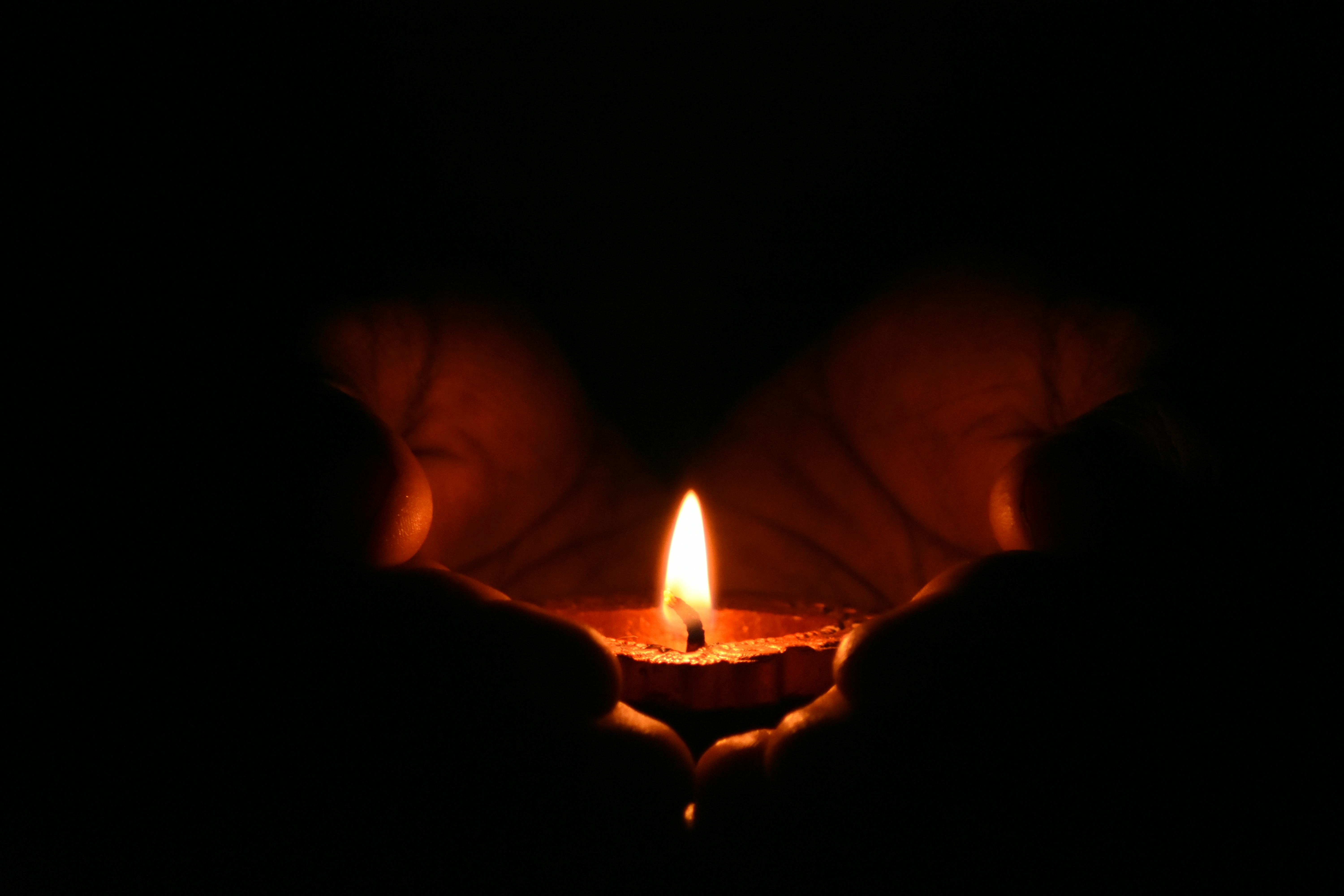
And sometimes, when the moment feels right, you turn on a light so others can see the path out.
Kat—Hugging you. We who go through this are connected through the strength of the Heart.
I’m so sorry you had to experience SA.
Forty years ago I confronted my father in my therapist’s office. I spoke aloud to him what he did. I needed to do it for me.
You have spoken and taken action against your abuser! Such courage!
We are finding our way to many of us who stayed silent too long.
And we shall never, never succumb. ❤️
Thank you for sharing your story. These men need taken down.